Operating principle of a level detector

A relatively simple system

ATMI

Principle of solid material detection

A solid level sensor controls the presence of bulk material in a storage area. It transmits threshold information when the material reaches or leaves a defined position in the installation.

A liquid exerts a thrust that allows the float to move, while solid material forms a mass that supports the detector when the level is sufficient. When the material comes into contact with the level detector, the installation receives a signal indicating that the threshold is reached.

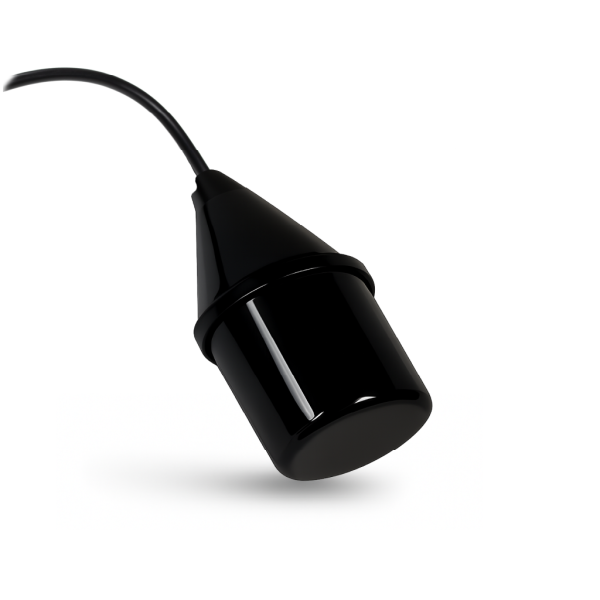
The SOLIBA tilt level sensor operates on this mechanical principle. The material holds the detector in a tilted position when it is present. When the level drops, the detector loses its support. Its tilt changes under the effect of gravity. This change of position triggers a contact.


Operating mode of a level detector

A level detector for safety

Solid level sensors are often used in installations where a material threshold must be controlled because they allow to secure a filling operation, to signal a high level, to indicate a low level or to prevent a lack of product before the operation of the installation is disrupted.

Depending on the application, the signal transmitted by the level detector can command an alarm, stop a feed, trigger a fill or inform a controller. This information allows the installation to react at the right time when the material reaches the detection zone.

Solid level sensors generally operate with an electrical contact that changes state when the threshold is reached. This contact can be used in open or closed function depending on the installation requirements.

The choice of operation depends on the expected action. The level detector is indeed programmable to indicate that a silo is full or that the minimum level is reached. It can also protect equipment against absence of material or excessive loading.


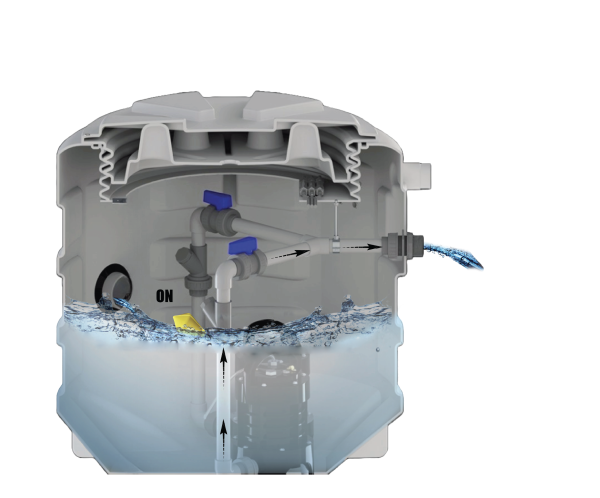
Drainage mode

Drainage mode

TO BE COMPLETED In drainage mode, the level switch activates the pump start in high anti-overflow position.

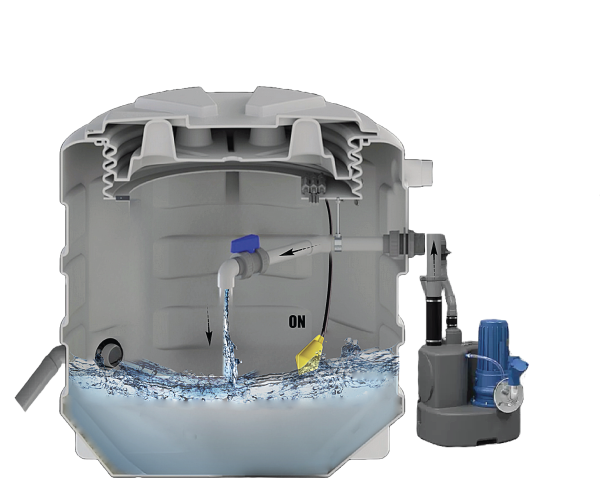
Filling mode

Filling mode

TO BE COMPLETED In filling mode, the float level switch allows current to pass in low position, anti dry-run.

Dual function TO BE COMPLETED

Our level switches offer more flexibility and can be used to control two different devices or functions depending on the liquid level. For example, they can activate a pump when the liquid level is low and an alarm when the liquid level is high.

In its default state, the common terminal is connected to the normally closed terminal, allowing current to flow in the NC circuit. When the liquid level reaches a certain point, the float level switch activates and switches the connection from the NC terminal to the NO terminal, allowing current to flow in the NO circuit instead.


Installation of a float level switch TO BE COMPLETED

Importance of wiring

Proper installation and wiring of a float level switch are crucial. They ensure that the float switch operates correctly to detect the liquid level in a tank. For this, several parameters must be taken into account:


Positioning TO BE COMPLETED

Positioning TO BE COMPLETED

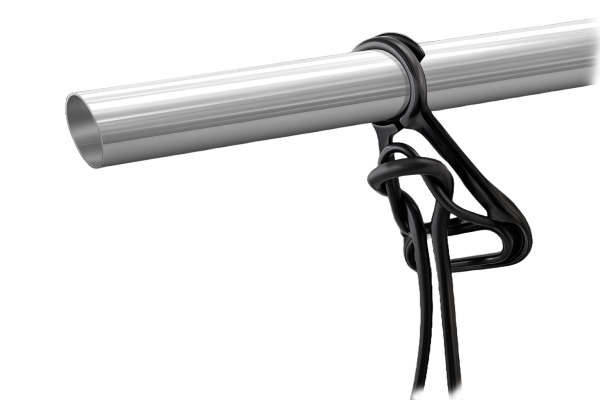
Attach the float switch to a support on the tank wall or along a pipe inside the tank. Make sure the wire is positioned so as not to affect the depth of the switch.

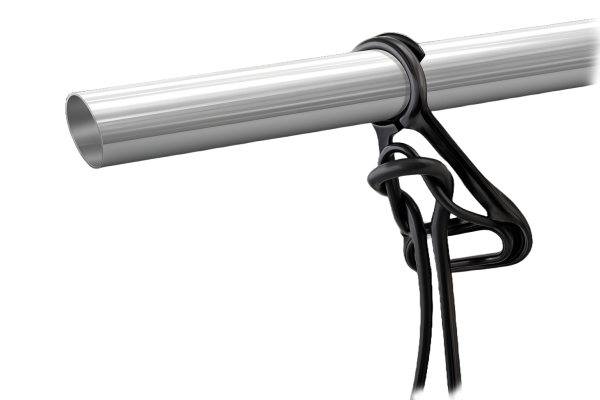
Be careful with the use of clamps or other elements that can damage the cable and also deteriorate the device. ATMI offers a fixing accessory, FIXCAB, which allows to properly fix the electrical cable at the desired height and allows precise adjustment at any time.

Counterweight TO BE COMPLETED

Counterweight TO BE COMPLETED

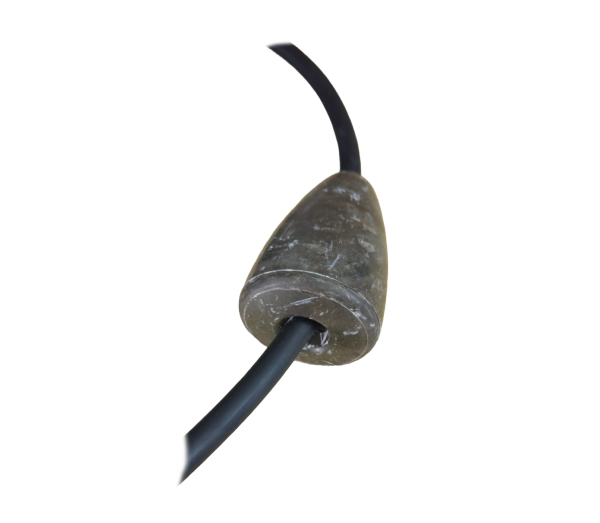
If you are using a counterweight, make sure there are no obstacles above or below the float switch that could hinder its movement.

The cable distance between the counterweight and the float switch determines the amount of liquid that rises or falls for the float switch to change state. These switches have a minimum and maximum cable length to ensure proper operation.

Discover our different counterweights
Cable length TO BE COMPLETED

Cable length TO BE COMPLETED

The cable length between the float level switch and the connection point must be continuous to ensure waterproofing. Junction boxes, often poorly installed, should be avoided as they promote water ingress into the float, affecting its operation.

ATMI has the device you need! Discover our product ranges

SOLIBA RANGE

Tilt level sensor

The tilt level sensor allows to control the presence of bulk materials in silos. Its mechanical operation is based on the change of position of the detector when the product reaches or leaves the monitored zone, allowing to secure the filling stop and to transmit information to the installation. The SOLIBA range in ATEX certified version, to meet the constraints of the concerned industrial environments.

Tilt level sensor

SOLIBA M RANGE

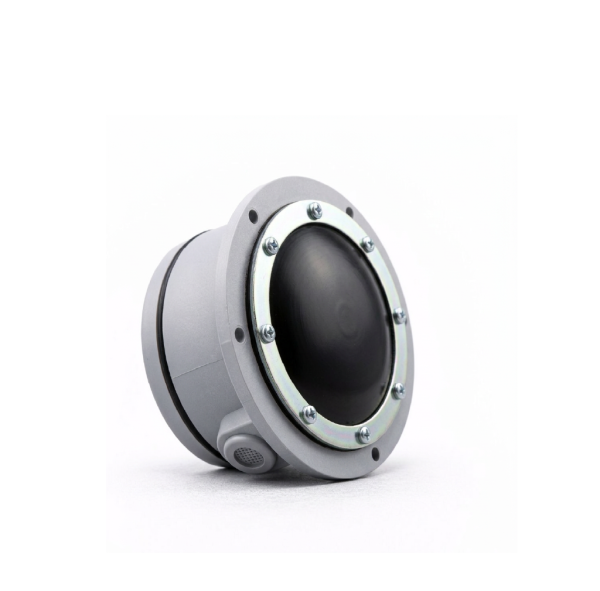
Diaphragm level detector

The diaphragm level detector allows to control a bulk material threshold in a silo. Its operation is based on the pressure exerted by the product on the diaphragm when the level reaches the monitored zone. This solution is suitable for controlling minimum, maximum or intermediate levels. It can also help avoid jamming during filling. The SOLIBA M range exists in several versions to adapt to the silo dimensions and installation constraints.

Diaphragm level detector

SOLIBA PR RANGE

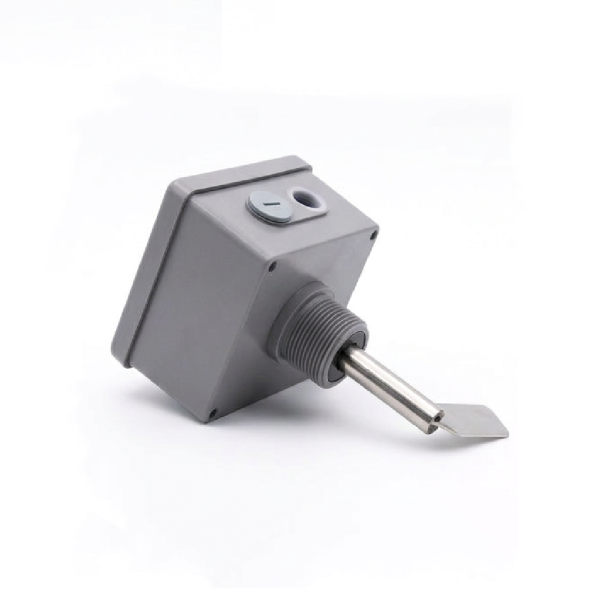
Rotary paddle level switch

The rotary paddle level switch controls the bulk material threshold in a tank or silo. The paddle rotation is blocked when the product reaches the monitored zone. This solution is suitable for controlling high, low or intermediate levels and transmits clear level information when the material is present at the detection point. The SOLIBA PR rotary paddle range exists in several versions to adapt to the products to be detected and installation constraints.

Rotary paddle level switch

Accessories for level detector

For all solid level sensors, ATMI offers accessories that allow to secure the installation and adapt the mounting to the constraints of the silo or hopper such as external ballasts or cable ties. For ATEX certified detectors, ATMI also offers pulse isolators, intrinsically safe relays.

Accessories for level detectors

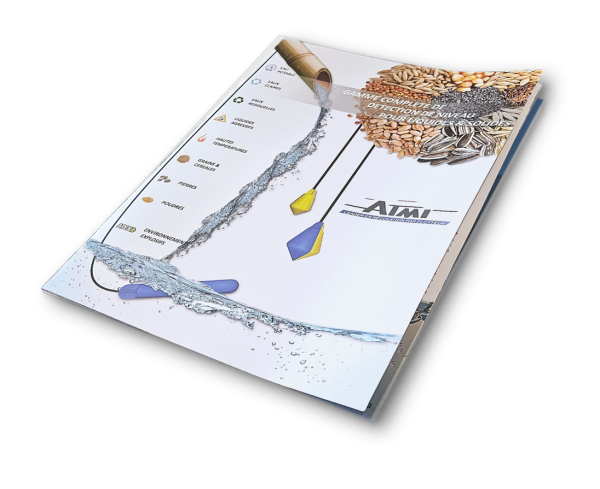
Download our brochure

In order to best define the float level switch adapted to your needs, ATMI offers a wide range of level switches for liquids and solids in various applications.

ATMI Products

Download our brochure
22 /home/clients/d704447c8ef48c644a21178b1d104029/prod7/site402gbr/regulation-flotteur/include/tools_protecfooter.php vérifier : /home/clients/d704447c8ef48c644a21178b1d104029/prod7/site402gbr/adm/B03_session-keeper.js