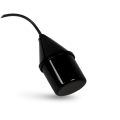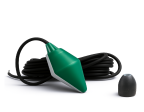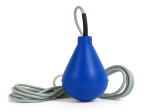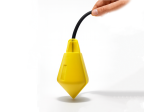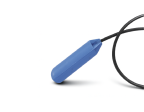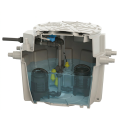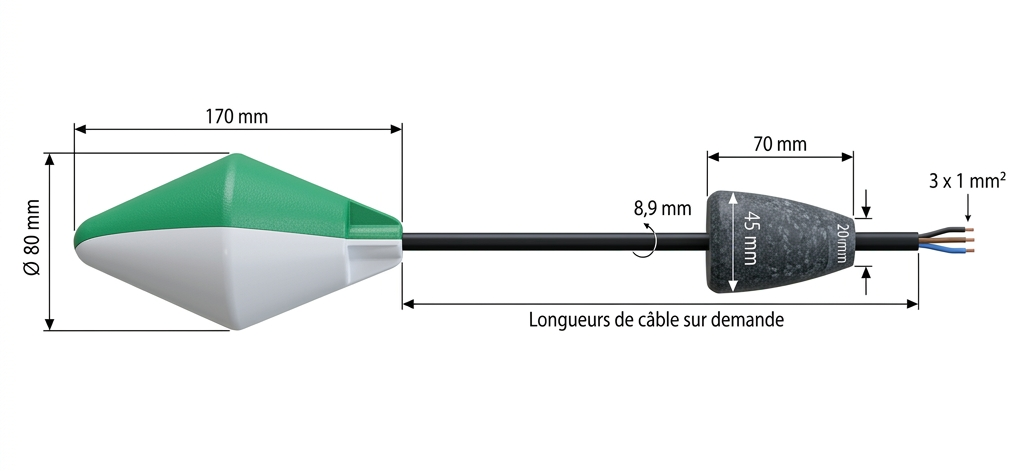
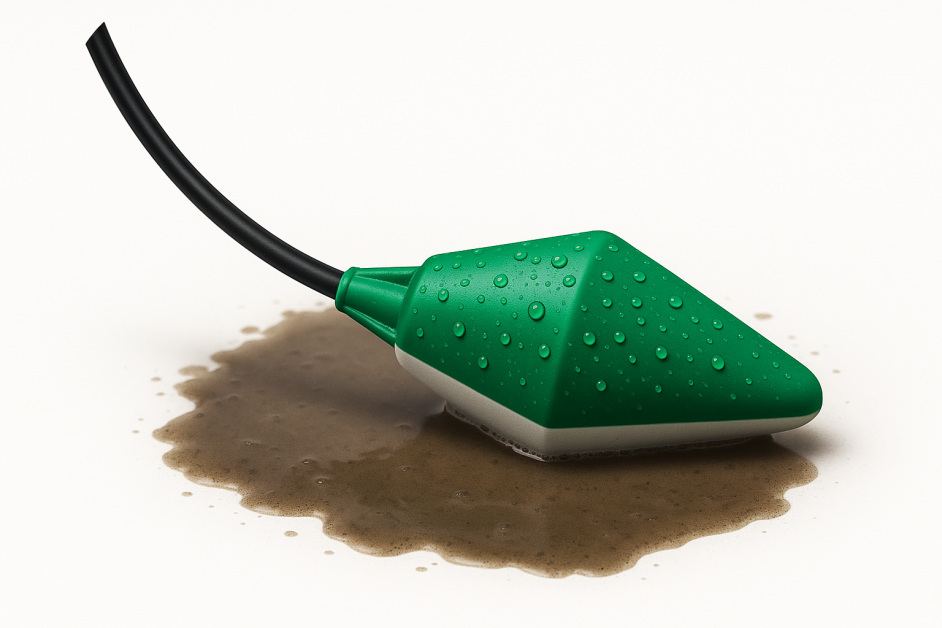
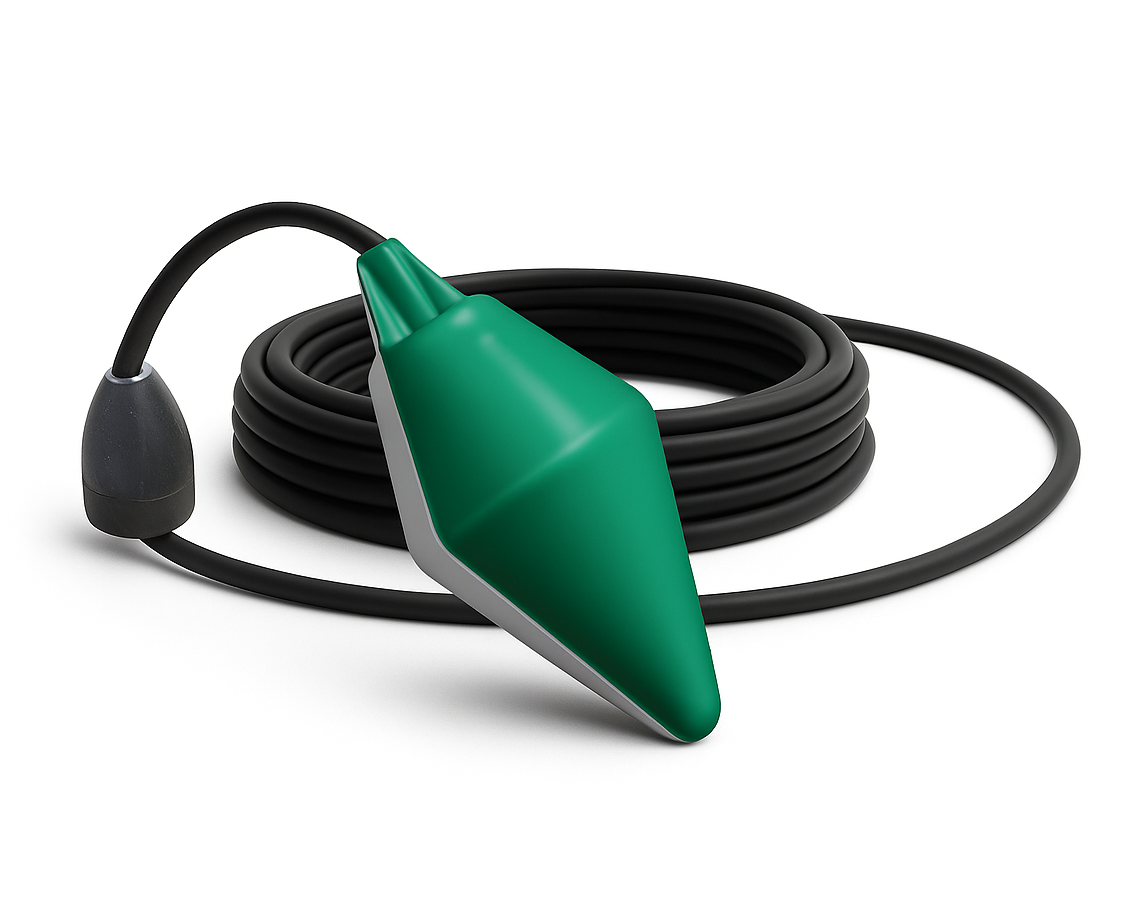
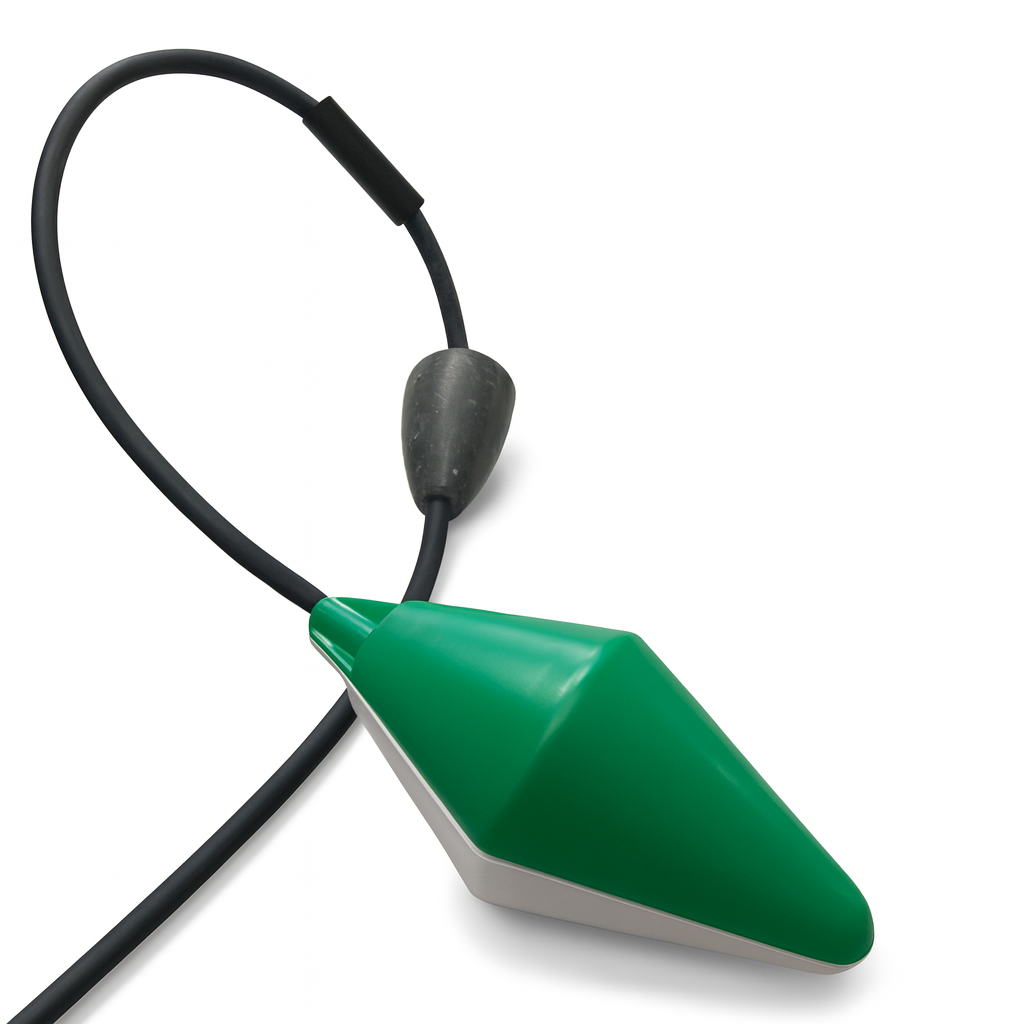
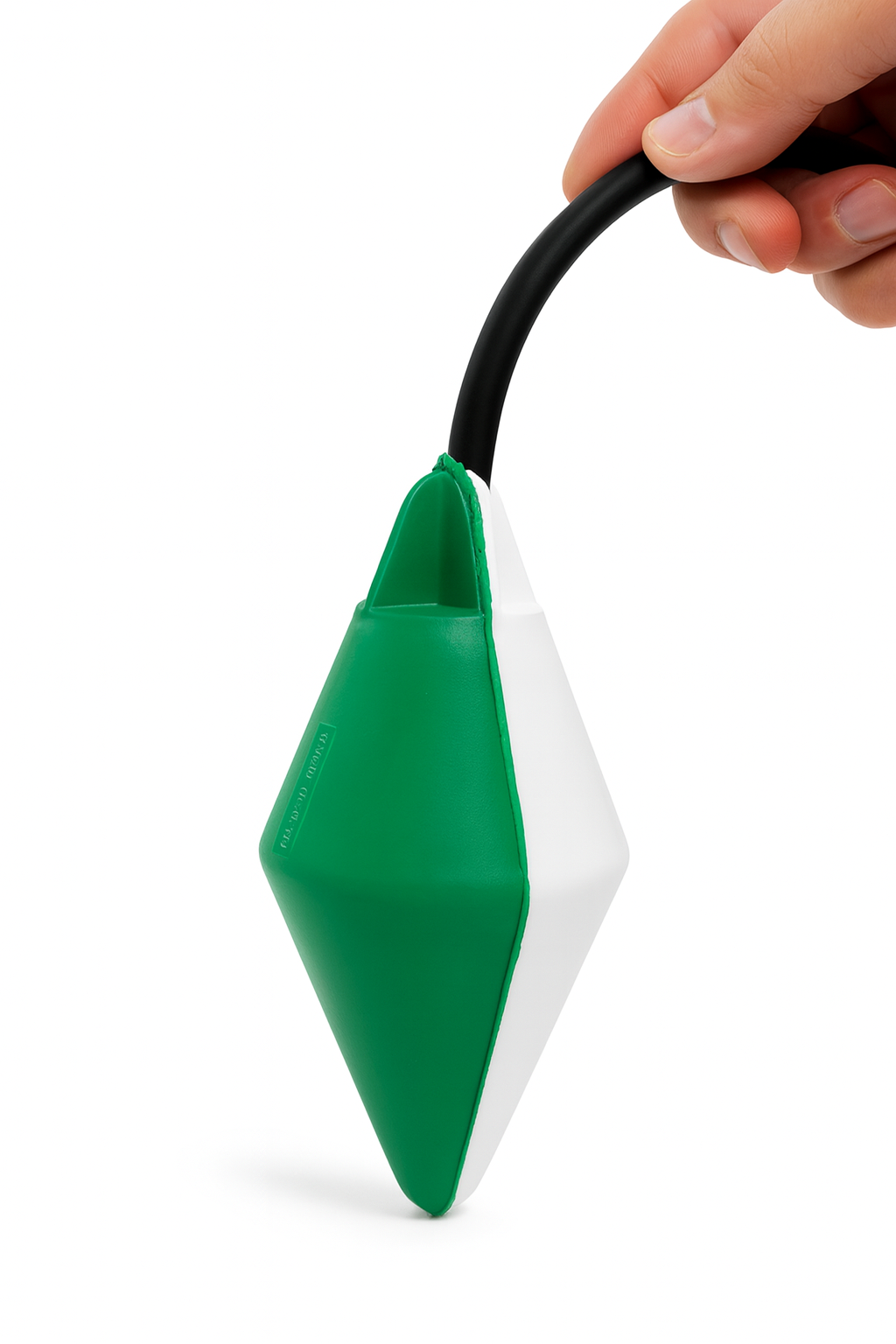
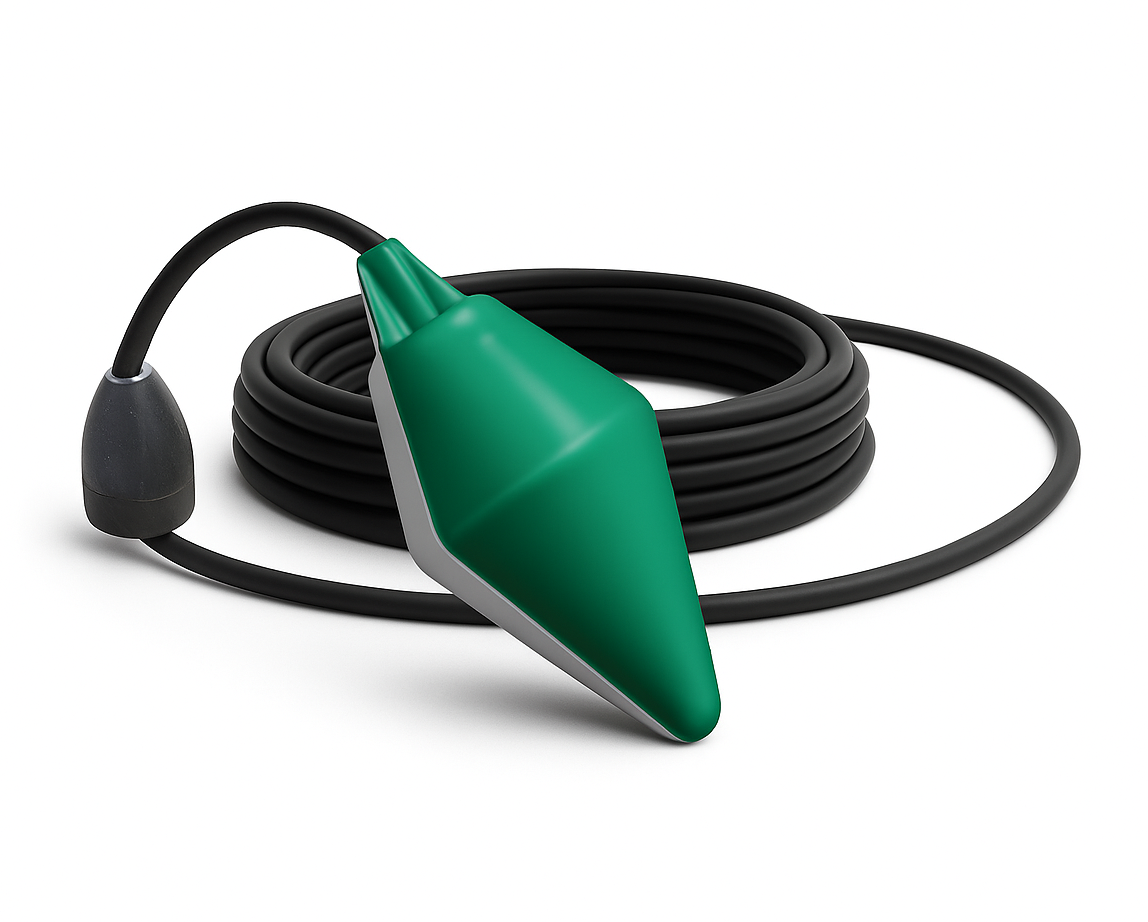
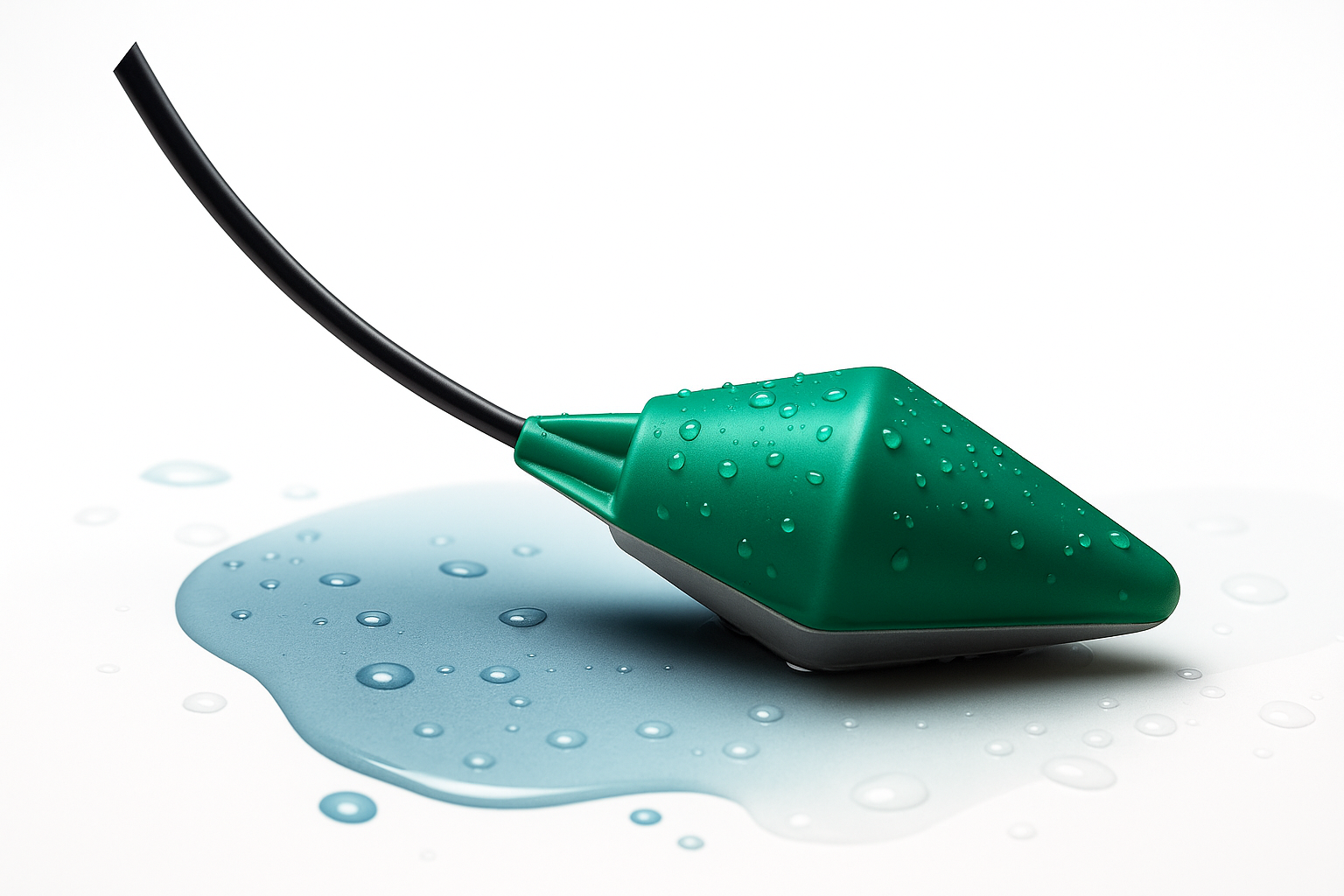
The SOBA level controller is suitable for wastewater level control. It detects level by float tilt which activates a contact connected to a control panel, closing or opening the power supply circuit of pumps or others.
If at least two floats per tank are used, one operating as a low contact, the other as a high contact, level control can also be performed. These controllers are used wherever magnetic level switches cannot be used due to impurities or deposits that may jam the float.
Its switching angle of +/- 25º allows very precise level control. The SOBA level controller is also used as high or low alarm (overflow protection or dry-run protection).
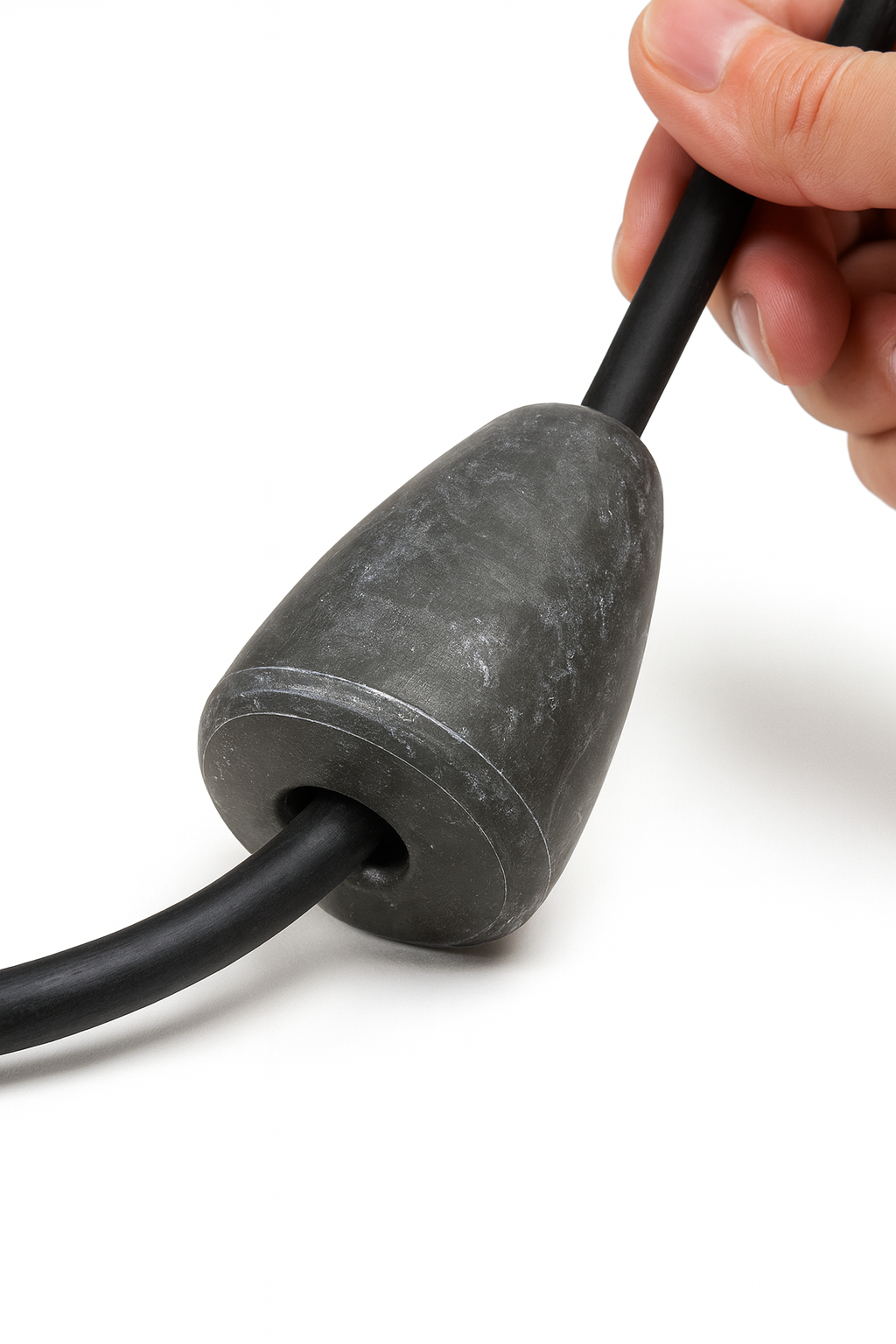
The SOBA level controller is supplied with a 250 g filled resin ballast as standard, adjustable on the cable, which facilitates the rotation point of the level controller and allows it to work in a wide range of densities.
Download this documentation and keep the most important information at hand.
pdf : 478.39 KB
|
||||||||||||||||||||||||||||||||||||||||||||||||||||||||||||||||||||||||||||||||||||||||||||||||||||||
|
Drainage or FillingThe SOBA level regulator operates on the principle of tilt-based level detection. When the liquid reaches a certain predefined level, the float tilts, causing the opening or closing of an integrated mechanical switch depending on the selected operating mode (filling or drainage). The float is equipped with a three-conductor cable (COM, NO, NC), allowing selection of the operating mode during wiring: Used in pairs with another float of the same type, it allows regulation of minimum and maximum tank levels. |
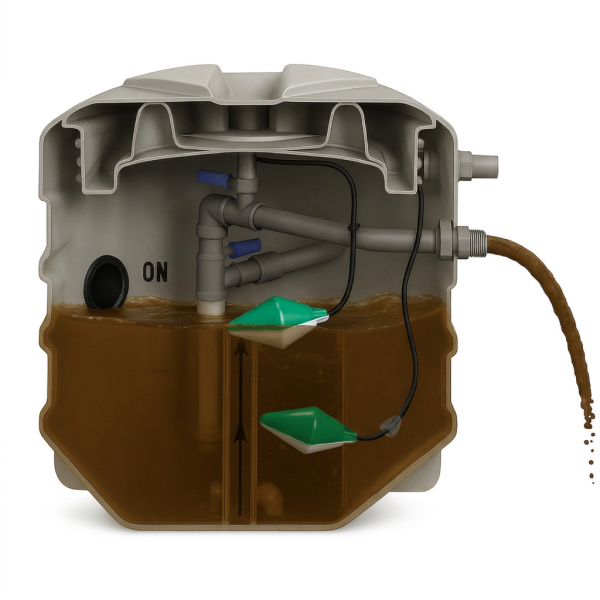
In drainage mode, the SOBA level switch activates pump start-up in the high position (anti-overflow). An electric current flows through the float to the connected device (control relay, pumps, valves, alarms).
Once the tank is empty, the level switch cuts the electric circuit to protect equipment (pumps) in the absence of water in the tank.
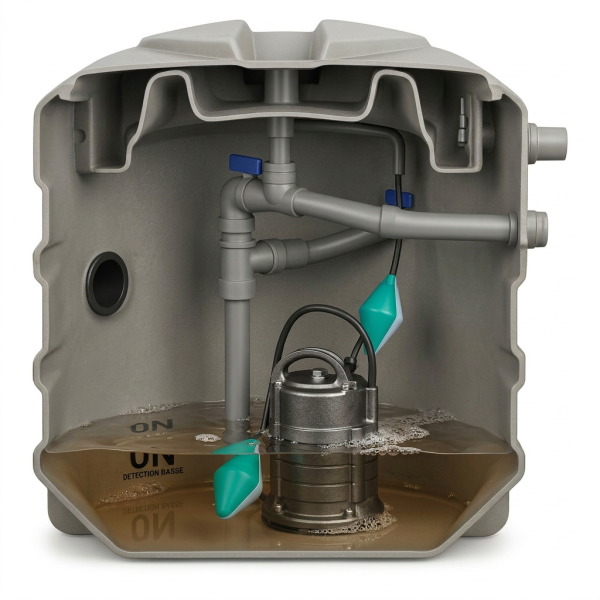
In filling mode, the electrical circuit inside the switch closes (NC) when the switch is in the low position. Thus, the pump starts to fill the tank.
Ballast positioningThe triggering of the float level switch (switching angle) can vary depending on liquid agitation, filling/drainage flow rate, but especially on the ballast positioning or attachment point. Indeed, the cable length between the counterweight and the float switch determines the amount of liquid that rises or falls to bring the float switch and change state. You have the option to adjust the counterweight on the device cable to optimize its operation. |
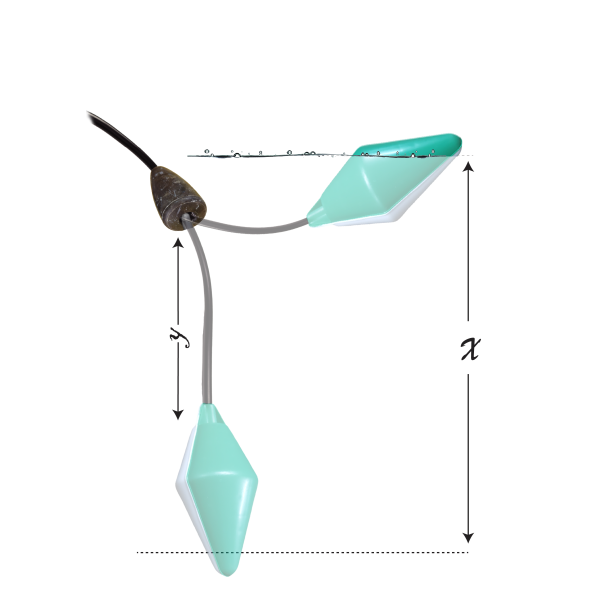
The greater the distance between the ballast and the float, the greater the level difference will be and therefore the wider the switching angle. Indeed, the cable length between the counterweight and the float switch determines the level variation needed to trigger the float state change.
This allows the float to adapt to possible turbulence in the liquid but also allows the float to work in a wide range of densities.
Below are indicative values for the SOBA level regulator with minimum and maximum cable length to ensure proper operation:
Min. value Y = 10cm → X ≈ 25-30 CM
Max. value Y = 30cm → X ≈ 45-50 CM
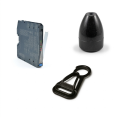
To adjust the ballast on the cable, simply pull on the plastic or resin ballast to unclip it from the clamping ring or O-ring. Then, slide the clamping ring/O-ring to the desired location and replace the ballast on top, so that the weight is locked on the cable.
|
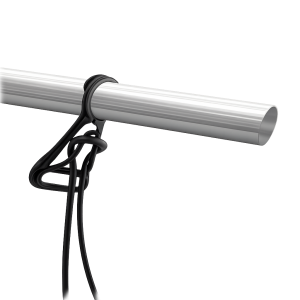
Float attachmentThe float level switch can be suspended via the cable sheath, using the FIXCAB fixing accessory, which allows proper attachment of the electric cable at the desired height and allows precise adjustment at any time. Be careful when using clamps or other elements during attachment that can damage the cable and deteriorate the device by allowing water to enter inside the float level switch by capillarity.
|
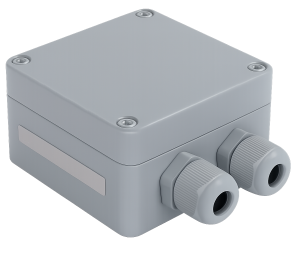
Electrical connectionIn outdoor or humid spaces, the electrical connection of the float level switch must be waterproof and properly insulated in a hermetic box, thus preventing water or other contaminants from entering the cable. This helps prevent water infiltration that could compromise the safety of electrical connections as well as the float's lifespan. The electrical connection box must never be placed inside the tank. The cable and its capillary can be extended using standard signal cable. We equip our floats with the cable length you want to avoid connections that would impair their operation. |
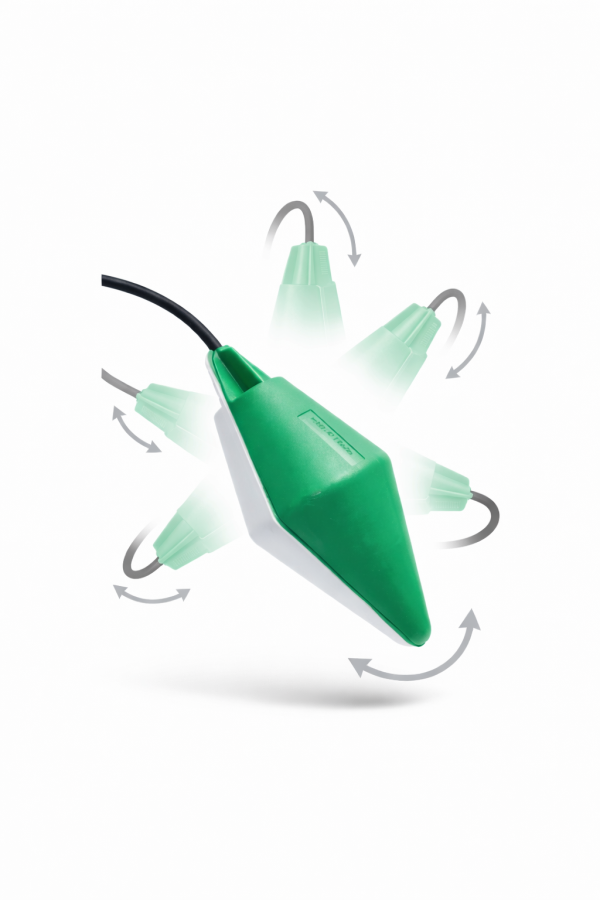
Unlike flat sensors, the SOBA level regulator offers omnidirectional detection. Its shape allows it to react to water movements regardless of its position in the liquid.
This ensures more reliable detection, especially in agitated environments or those subject to turbulence.
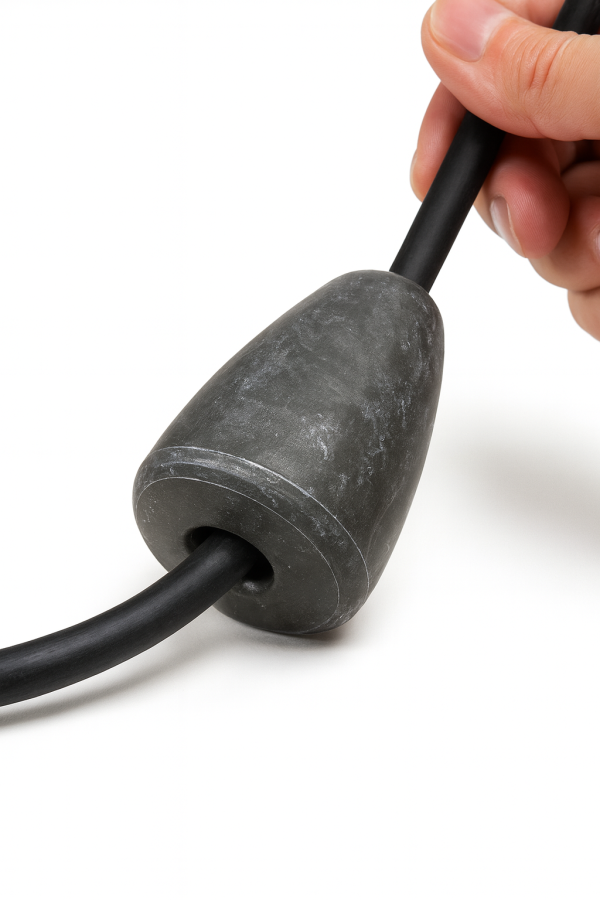
The SOBA level regulator is equipped as standard with a 250 g loaded resin ballast essential for proper float operation. It determines the rotation point according to the desired liquid levels.
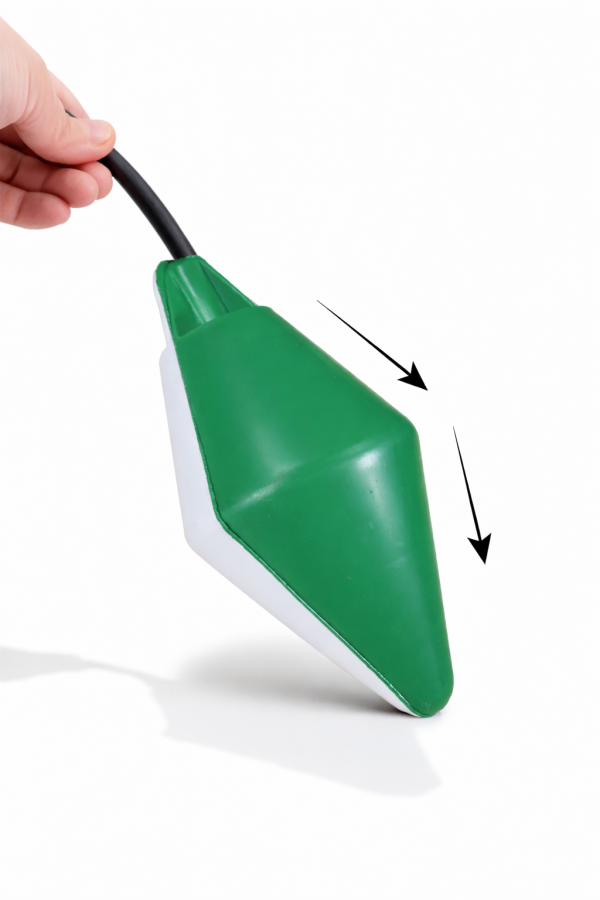
The shape of the SOBA float level switch, in copolymer polypropylene, is specially designed to avoid accumulation of impurities on its body, thus preserving its performance and longevity over time. No maintenance is required.
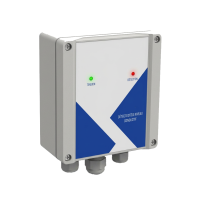
Level control relay with alarm.
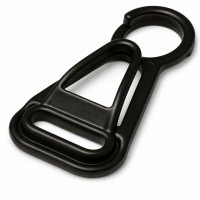
Cable fixing accessory (FIXCAB) highly recommended for all suspended floats.
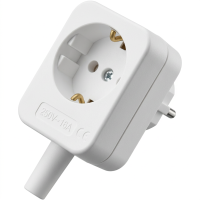
Multi-function socket ideal for pump control
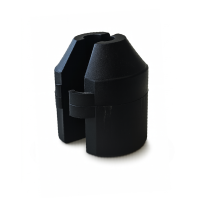
The clip ballast can be installed at any time.
To best define the float level switch suited to your needs, ATMI offers a wide range of level switches for liquids and solids in various applications.