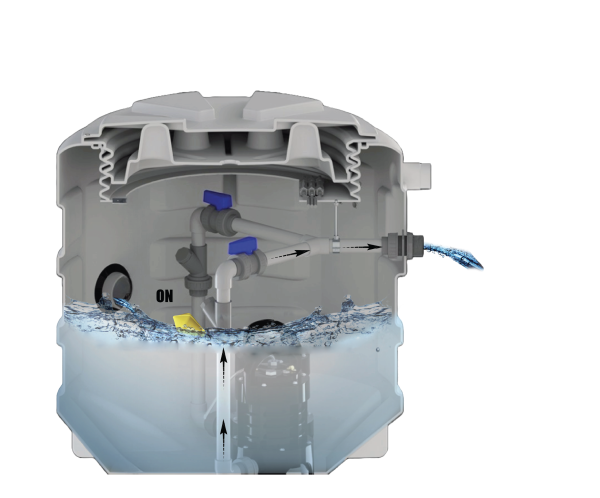
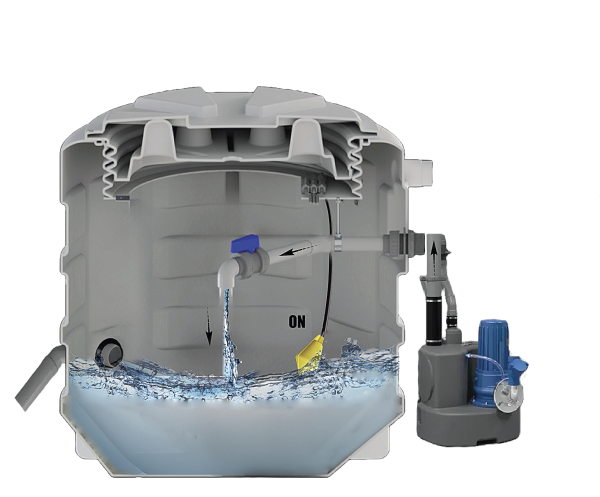
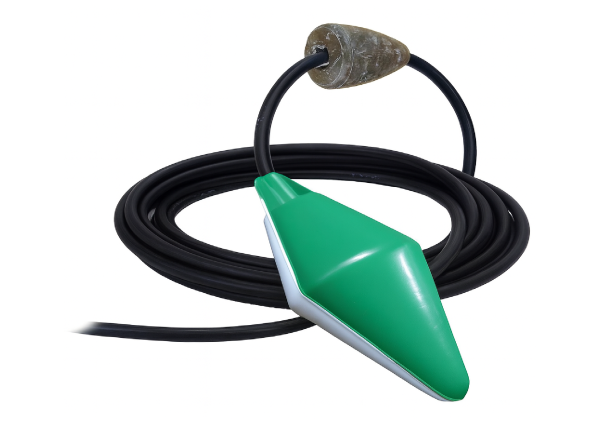
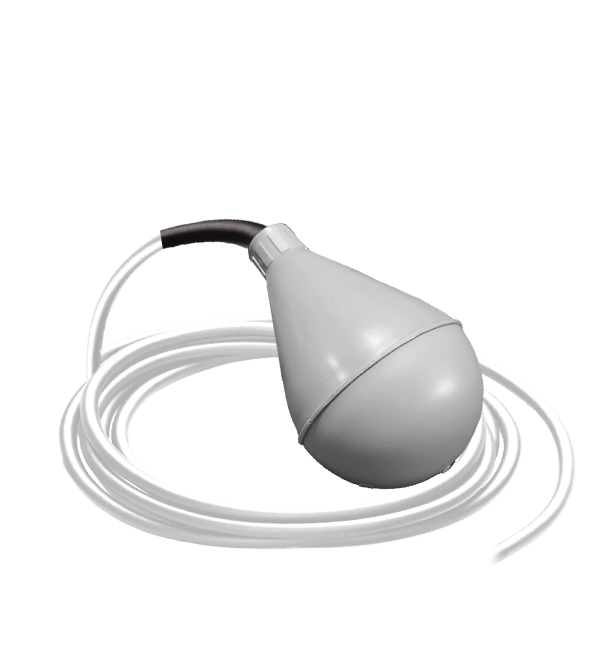
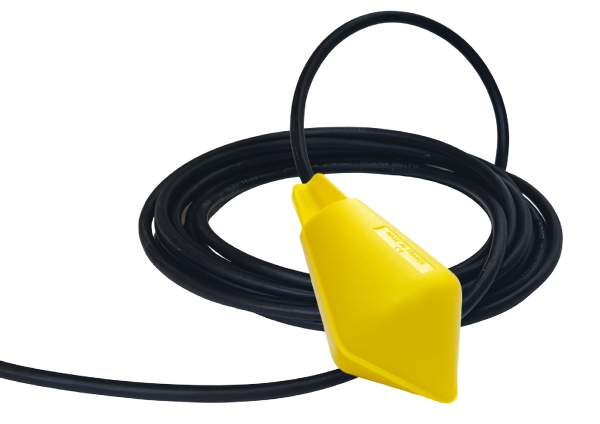
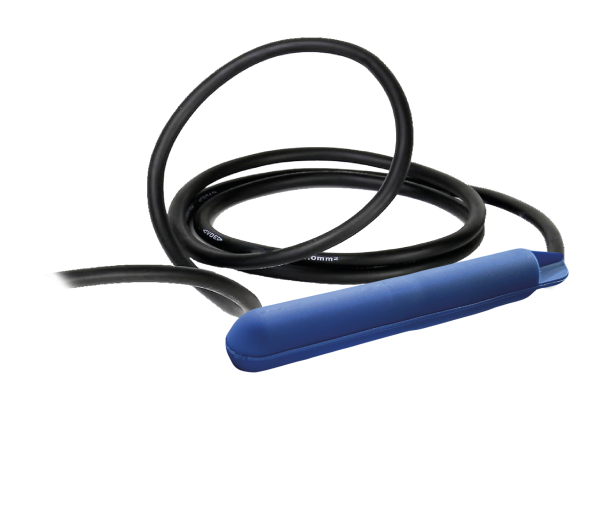
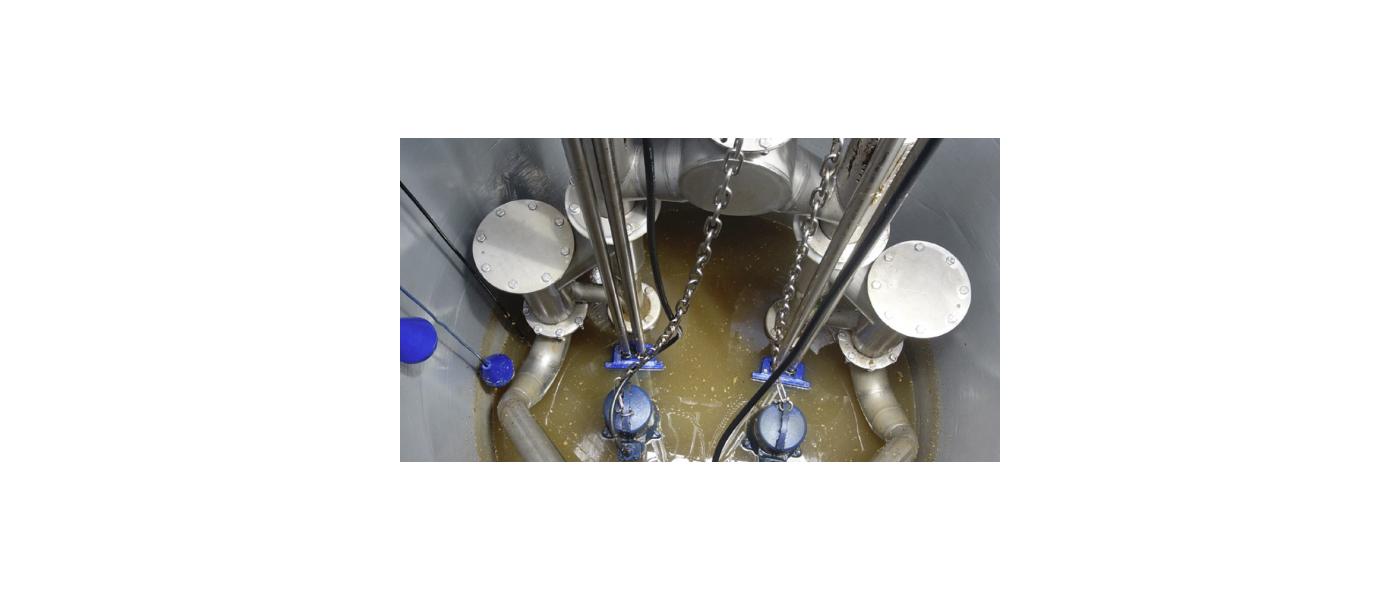
Buoyancy principleA float level switch is a device that acts as a mechanical switch to control or regulate liquid levels in tanks, cisterns, wells and other liquid storage systems. This device is also known as a float switch or float level sensor. The float level switch operates on the buoyancy principle. When the water level rises to immerse the float, its buoyancy and shape cause it to tip over. A metal ball inside moves by gravity, opening or closing the NO/NC microswitch contact depending on the position of the float, thus controlling a device by allowing or blocking electrical current flow.
|

Float switches are particularly useful in systems where it is necessary to maintain a constant liquid level or to protect pumps against dry running or overflow of devices such as pumps (pumping water in or out), valves (opening/closing inlets/outlets), or alarms to warn users.
Level switches are equipped with a 3-terminal changeover contact:
Common (COM), Normally Open (NO) and Normally Closed (NC).
The choice between normally open or normally closed function depends on the specific application requirements, such as whether a device should start or stop when liquid reaches a certain level, or if multiple actions need to be controlled based on liquid level. Our floats can therefore be used in drainage, filling or dual function mode.
In drainage mode, the level switch activates the pump start in high position for anti-overflow protection.
In filling mode, the float level switch allows current flow in low position, for dry-run protection.
Our level switches offer more flexibility and can be used to control two different devices or functions based on liquid level. For example, they can activate a pump when the liquid level is low and an alarm when the liquid level is high. In its default state, the common terminal is connected to the normally closed terminal, allowing current to flow in the NC circuit. When the liquid level reaches a certain point, the float level switch actuates and switches the connection from the NC terminal to the NO terminal, allowing current to flow in the NO circuit instead.
|
Correct installation and wiring of a float level switch are crucial. They ensure that the float switch operates properly to detect liquid level in a tank. Several parameters must be taken into account:
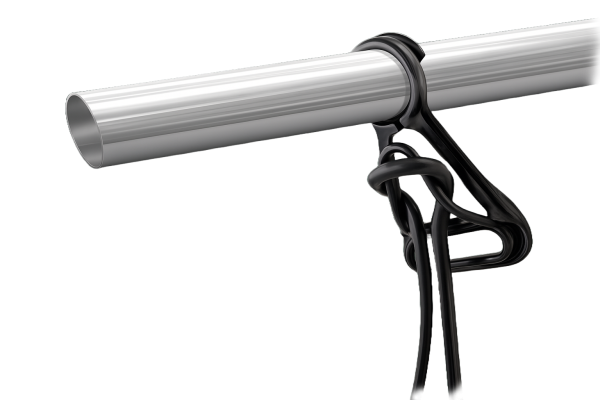
Secure the float switch to a support on the tank wall or along a pipe inside the tank. Ensure the wire is positioned so as not to affect the switch depth.
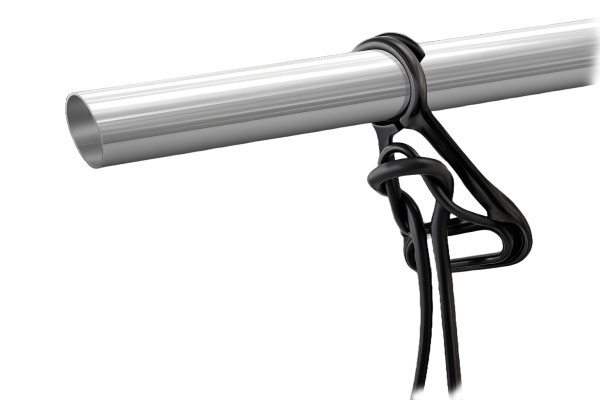
Be careful when using clamps or other elements that can damage the cable and also deteriorate the device. ATMI offers a fixing accessory, FIXCAB, which allows proper fixing of the electrical cable at the desired height and allows precise adjustment at any time.
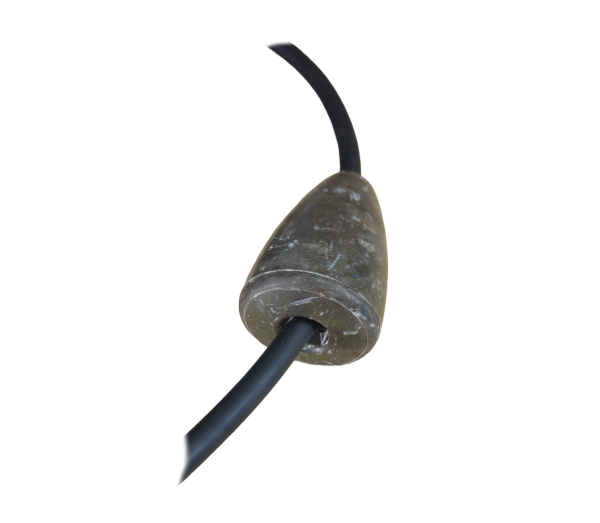
If you are using a counterweight, ensure there are no obstacles above or below the float switch that could hinder its movement.
The cable distance between the counterweight and the float switch determines the amount of liquid that rises or falls for the float switch to change state. These switches have a minimum and maximum cable length to ensure proper operation.
Discover our different counterweights
The cable length between the float level switch and the connection point must be continuous to ensure waterproofing. Junction boxes, often poorly installed, should be avoided as they promote water entry into the float, impairing its operation.
Float level switches designed for regulation and detection in basins, flexible cisterns for clean water storage.
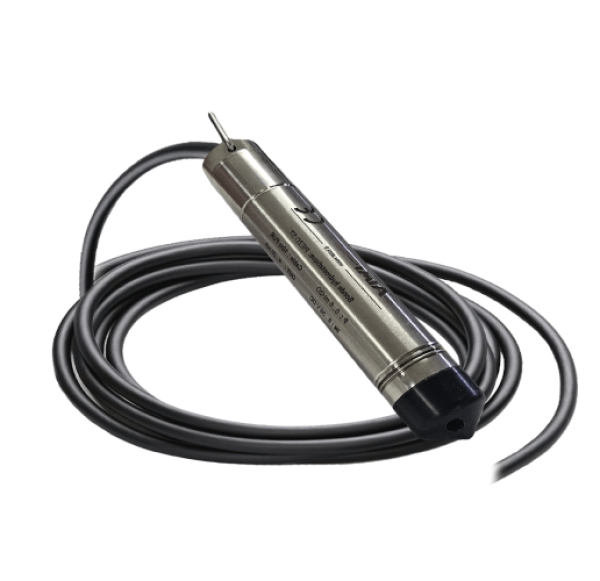
These hydrostatic probes allow measuring and monitoring liquid levels for tanks, rivers and water tables, as well as pump automation through a control relay.
Piezometric probeFloat level switches designed for regulation and detection in basins, flexible cisterns for clean water storage.
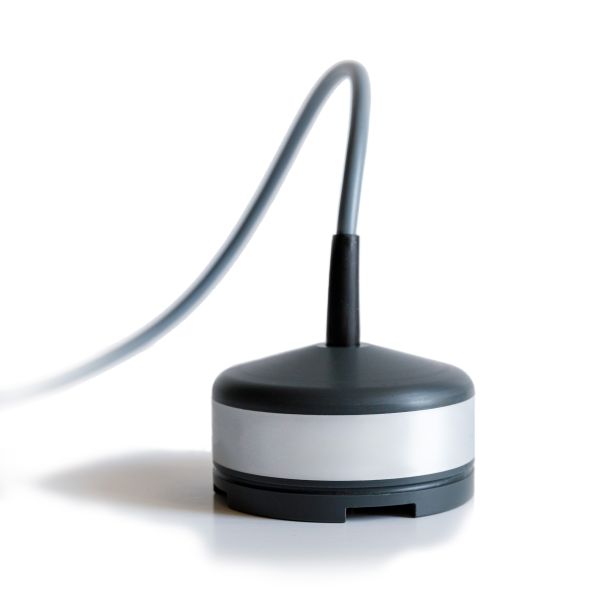
Level control relays are regulators for conductive liquids.
Level control relayThe float with external ballast offered by ATMI allows maintaining a water level to achieve pump regulation for example. Simply place the high and low level float switches at the desired positions, with no differential level limitation.
Float with external ballastSelf-ballasted level regulators offer more ease to pass through grease layers sometimes encountered in pumping stations.
Self-ballasted level regulatorLevel switches for liquids are omnidirectional float level switches, using a single device for automating low-power pumps or all power levels with relay.
Level switchTubular level detectors for liquids are small diameter floats for tanks with narrow openings.
Tubular level detectorAll float level switches for liquids and solids are associated with accessories grouping different types of external ballasts, adjustable ballasts on cable. For regulators and ATEX certified Ex level detectors, ATMI offers appropriate universal intrinsically safe relays, also known as pulse isolators.
Accessories for level switchThe float level switch is used in a wide variety of industrial, commercial and residential applications.
In order to best define the float level switch suited to your needs, ATMI offers a wide range of level switches for liquids and solids in various applications.