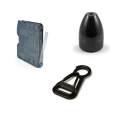

A level sensor must be able to fit inside a tank and respond to the pressure exerted by bulk material, and its shape plays a key role in these functions. At ATMI, we design our level sensors to meet the specific requirements of your installations and the behaviour of the products to be detected. A tubular, conical or biconical design therefore meets specific requirements, from the moment of installation and throughout its service life.
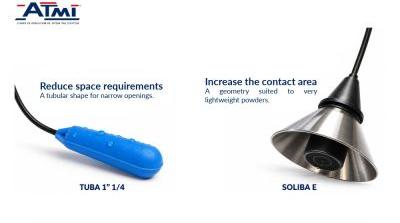
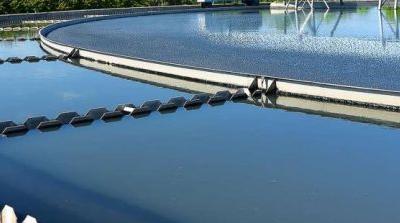
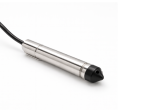
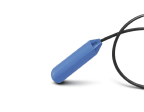
The volume of a tank does not always determine the space available for installing equipment; for example, a large-capacity tank may only have a small access opening. The choice of level sensor must therefore take into account the available clearance, regardless of the quantity of liquid stored. The tubular shape reduces the bulk of the sensor body, making it easier to install in this type of setup.
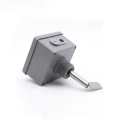
The TUBA 1" 1/4 tubular level detector has a 36 mm diameter body, making it suitable for narrow passages. Once inside the tank, the float follows changes in the liquid level and, under the pressure of the liquid, tilts to activate an internal mechanical switch. The electrical contact then transmits a signal to initiate filling, draining or an alarm, depending on the selected connection and operating mode.
Inside the tank, the float must have sufficient space to rise, fall and tilt without coming into contact with any walls or equipment. The layout study therefore also takes into account its range of movement and its mounting. In a suspended arrangement with a counterweight on a cable, the free length between the counterweight and the float affects the difference between the trigger levels.
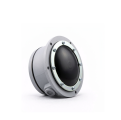
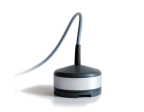
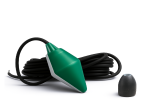
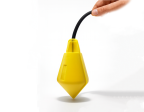
In a silo, the force required may vary; indeed, a very light powdery product must exert sufficient pressure to cause the level sensor to tilt. When its bulk density is low, the contact surface with the material becomes a key factor. It is to address this situation that the SOLIBA E tilt level detector for solids combines the SOLIBA principle with a funnel-shaped design.
This conical surface increases the area over which the material can rest, compared with a conventional SOLIBA. During filling, the stored product forms a slope that gradually reaches the level sensor. The pressure exerted on the assembly causes it to tip over, which in turn changes the state of an electrical contact. The control system uses this information to stop the feed to the silo or trigger an alarm, depending on the installation.
The choice of this silo level sensor also takes into account its position in relation to the silo wall and the adjustment of its suspension. The wider contact surface is suited to the behaviour of light materials, but the installation location remains crucial for detecting the expected high level. The environment must also be specified at the requirements analysis stage, in order to determine whether the application requires a version certified for use in a potentially explosive atmosphere.
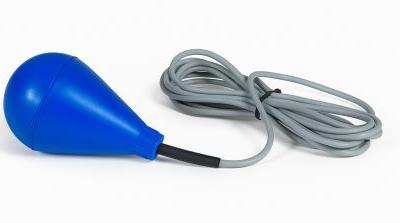
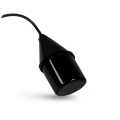
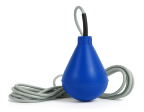
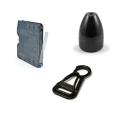
The pear-shaped design of a level float also affects its behaviour when it comes into contact with impurities present in a liquid. Deposits on the float body can impair its mobility and alter its operating conditions. On the BIP STOP float-type level switch, the biconical shape is designed to minimise the build-up of these impurities. The geometry thus helps to ensure that the device continues to function correctly in its operating environment.
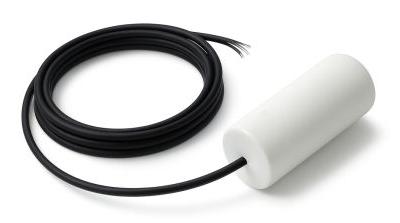
Reducing the footprint, increasing the contact area or minimising build-up address different requirements. Our expertise as a manufacturer of level sensors lies in linking these requirements to the desired operation. We assess access to the installation and the available space, as well as the way in which the liquid or solid affects the level sensor. This analysis enables us to select a device whose design is suited to your application.
Do you need to fit a solution into a narrow-pass tank or detect a particularly light product? Take a look at the TUBA 1" 1/4 and SOLIBA E product data sheets, then discuss your requirements with ATMI. A diagram or photograph of the installation, the dimensions of the access point and the characteristics of the product to be detected will help us guide you towards a suitable solution.
ATMI: keeping levels under control.