
A level sensor is used to control the presence or absence, and the height of a product in a tank, a basin, a reservoir or a silo. Depending on the needs, it can transmit continuous information on the level or signal that a specific threshold has been reached. This distinction is essential, because an installation that must measure a permanent variation does not require the same technology as a system that must simply trigger an alarm, or protect a pump to avoid an overflow. Before choosing a level sensor, it is therefore necessary to start from the real use and not from the product itself. This approach makes it possible to select a solution consistent with the field, the constraints of the product to be controlled and the expected level of safety.
The first criterion is to determine the information that the installation must receive. In some cases, the objective is to know the exact level of a liquid or solid continuously. In other situations, the need relates to a threshold detection, for example when a reservoir reaches a high level or when a pump risks operating without liquid. This difference directly guides the choice of technology as well as the connection and associated equipment.
Threshold detection meets many uses in industrial environments. It makes it possible to control a filling, to command a drainage, to secure a basin or to transmit an alert to a control cabinet. The solutions offered by ATMI are particularly part of this detection and control logic, with sensors that are designed to transmit reliable information at the right time. The choice must always remain linked to the expected function, because an incorrectly sized sensor can send late or erroneous information.
The behavior of the product strongly influences the choice of level sensor. A clear liquid, wastewater, a chemical product, a hydrocarbon, a powder or granules do not react in the same way in a container. Density, viscosity, conductivity, the presence of foam or the risk of deposit can modify the operation of the sensor and its reliability over time. A technology that is suitable for relatively stable water may become less relevant in an agitated pit or in a dusty silo.
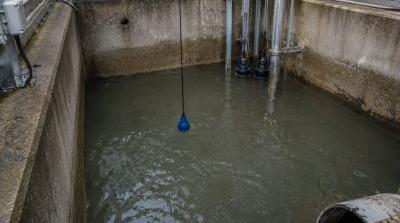
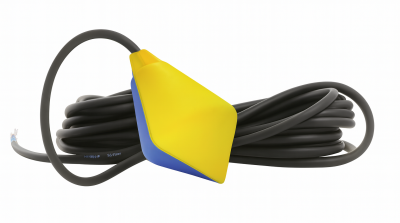
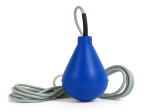
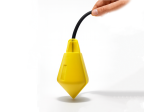
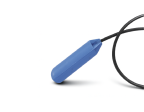
For liquids, float level switches remain a widely used solution when the need concerns simple and robust detection. They can be suitable for pump control, for monitoring a high level or for protection against a low level. For conductive liquids, other devices can be considered depending on the site configuration. For solid level detectors in bulk, it is rather necessary to observe the way in which the material flows, settles or adheres to the walls, because these phenomena can disturb detection.
A level sensor is often in direct contact with the product it controls. It is therefore necessary to ensure that the materials used resist the medium concerned. The cable, the float, the sensor body and the elements that ensure waterproofing must be compatible with the conditions of use. A corrosive liquid or water intended for human consumption imposes different requirements.
This step avoids premature failures and limits the risks linked to poor adaptation of the equipment. In some cases, chemical resistance becomes the main criterion while in others, the priority concerns sanitary compliance or mechanical strength. ATMI accompanies professionals towards a sensor whose characteristics really correspond to the working environment, instead of retaining a standard solution that would not take into account the product present in the installation.
The container in which the sensor will be installed plays a role as important as the product itself because they do not all present the same constraints. It is necessary to know the height to be controlled, the available space, the access diameter and the possible presence of internal obstacles. An installation that includes an agitator or that undergoes turbulence also requires special attention, because the movement of the product can influence the triggering of the sensor.
The positioning must also be thought out with precision. A float level switch, for example, must have sufficient space to tilt correctly. Similarly, a detector installed in a narrow passage must be chosen according to its size and the way in which it will transmit the information. The right sensor is therefore not only the one that corresponds to the product, but the one that can function correctly in the real configuration of the installation.
The environmental conditions of the level detector such as temperature, pressure, prolonged immersion and external exposure can have an impact on the service life of the sensor. Even when an application seems simple, these conditions must be verified before the selection of the equipment. A level sensor placed in an outdoor basin does not undergo the same constraints as equipment installed in a closed tank or in an environment subject to frequent cleaning.
The electrical connection must also be anticipated and the sensor must be compatible with the installation and the electrical equipment of the site. Depending on the installations, the expected information can take the form of an electrical contact or a signal transmitted to a control system. This compatibility avoids unnecessary adaptations and facilitates commissioning. It also contributes to the overall reliability of the device, because a correctly chosen sensor must integrate naturally into the existing equipment.
The real operating conditions must also be observed over time. A sensor can operate correctly during its commissioning, then lose efficiency if the medium favors deposits, foam, dust or clogging. These phenomena can disturb detection or complicate control operations. It is therefore necessary to choose a technology that remains consistent with the behavior of the product over time.
Regulatory constraints must also be taken into account when the application requires it. An installation linked to drinking water or to a sensitive environment may impose special requirements on materials, certifications or conditions of use. This point should not be treated as an administrative detail, because it directly participates in the safety and compliance of the installation. ATMI accompanies you in order to verify that the chosen sensor corresponds well to the intended use framework.
Maintenance must finally be integrated from the choice of the level sensor because if it is poorly adapted, it can lead to more frequent checks and more restrictive interventions. Conversely, a well-positioned solution compatible with the product facilitates monitoring over time. The right sensor is not only the one that correctly detects the level on the day of installation, but the one that maintains reliable operation under normal operating conditions!
The choice of a level sensor also depends on the possible consequences in case of poor detection. A comfort alert does not have the same issue as a safety that must prevent an overflow or protect a pump. The greater the risk, the more attention must be paid to the reliability of the technology, its positioning and its integration into the installation.
This analysis makes it possible to avoid a choice based solely on the cost or the apparent simplicity of the equipment because in a sensitive application, it may be necessary to provide a more robust solution or a complementary device. In a more common installation, a simple mechanical solution can perfectly meet the need if it is adapted to the product and the environment of use.
Each technology meets a use in an environment with particular constraints. The choice must therefore begin with a concrete analysis of the installation to know the product to be controlled, the type of information expected, the detection point, the configuration of the container, the temperature conditions, the electrical connection, the safety requirements, the regulatory constraints and the maintenance needs.
This method makes it possible to select a reliable and durable solution, which meets the need without complicating the installation. ATMI accompanies this approach with sensors designed for level detection and control in various applications. Starting from the field rather than from a technology chosen too quickly, ATMI helps to guide the choice towards equipment that fulfills its function with precision and that remains consistent with the real constraints of exploitation.
Each technology meets a use in an environment with particular constraints. The choice must therefore begin with a concrete analysis of the installation, because the various points mentioned above directly influence the reliability of the device. A relevant solution is one that integrates correctly into the installation and that transmits reliable information under real operating conditions.
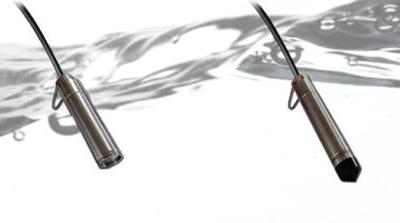
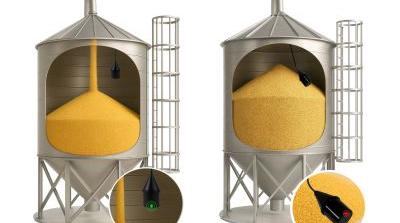
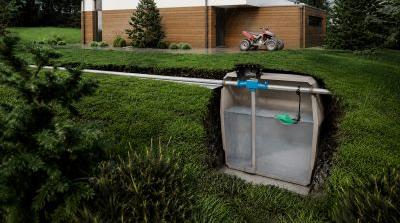
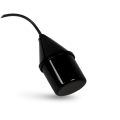
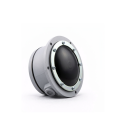
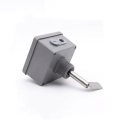
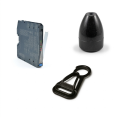
ATMI accompanies this reflection with detection and control solutions adapted to different contexts of use. The float level sensors meet many level control needs when the application requires simple and robust detection. For installations that concern tanks, reservoirs or more constrained access spaces, the level detectors for liquids make it possible to guide the choice towards a solution consistent with the site configuration. When the project concerns silos, powders or bulk materials, the level detectors for solids provide a more suitable response to the constraints specific to these environments.
Starting from the field rather than from a technology chosen too quickly, it becomes simpler to select a level sensor that fulfills its function with precision and that remains consistent with the constraints of the operation. This approach makes it possible to secure the choice of equipment, to limit adaptation errors and to guarantee reliable detection over time.
ATMI, the level under control.
ATMI FRANCE