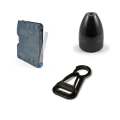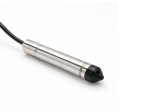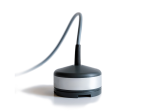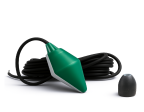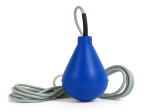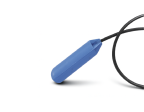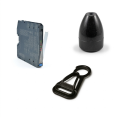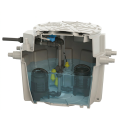

The float level switch is an electromechanical device used to detect, control or regulate the level of a liquid or solid product in industrial, agricultural or domestic installations. Its operation is based on the principle of buoyancy or tilt. When the product level varies, the float level switch changes position and activates an internal electrical contact that allows control of a pump, an alarm or an automatic filling and drainage system.
The use of a float level switch depends essentially on the nature of the product to be controlled. In the case of liquids, it is widely used in water tanks, pumping stations, septic tanks, industrial installations and water treatment networks. For clear water or drinking water, the float switch generally ensures automatic management of tank filling and drainage. When it detects a high level, it can stop a pump or close a solenoid valve to avoid any overflow. Conversely, when the level becomes too low, it can trigger reservoir filling or protect a pump against dry running. In this type of application, float switches are manufactured with standard materials such as PVC or polypropylene, suitable for less aggressive environments.
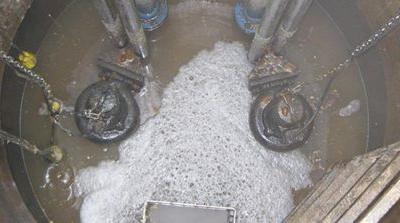
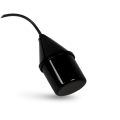
In wastewater or loaded water, the constraints are much more severe. Liquids often contain sludge, grease, fibers or solid particles likely to block mechanisms. Float switches used in these environments therefore have a large float to guarantee good buoyancy, as well as a reinforced neoprene or special rubber cable resistant to moisture and chemical agents. They are mainly used to automatically control pumps in pumping stations and wastewater systems. When the water level rises, the float switch tilts and activates the pump; when the level drops, it automatically cuts the motor power supply. This operation ensures autonomous operation and limits overflow risks.
In the chemical industry, float level switches are designed to resist particularly aggressive products such as acids, solvents or hydrocarbons. The materials used must withstand corrosion, high temperatures and chemical vapors. The floats and cables are then manufactured in EPDM, Teflon or other technical materials capable of resisting chemical attacks. In these installations, the float level switch plays an essential safety role by avoiding overflows, leaks or industrial process malfunctions.
Some applications also require protection against explosion risks. In ATEX classified zones, such as refineries, oil depots or certain industrial silos, float level switches must be specially certified to avoid any spark likely to ignite combustible gases or dust. These devices are used to monitor critical levels and ensure installation safety.
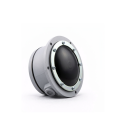
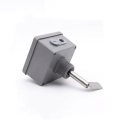
Float level switches are also used for bulk solid products, particularly in silos containing cereals, powders or granules. In this case, the operation differs slightly from that used for liquids. The float switch is suspended inside the silo and does not really float; it is moved by the thrust of the solid product when it reaches a certain level. As soon as the material comes into contact with the float switch, it tilts and triggers an electrical contact which allows, for example, to automatically stop silo filling. This technology is particularly appreciated in agricultural installations for grain storage, but also in cement, flour, sugar or plastics industries.
The choice of a float level switch therefore depends on several criteria: the nature of the product to be controlled, its density, its temperature, the chemical environment, the possible presence of explosive dust as well as the mechanical constraints of the installation. Manufacturers like ATMI offer different ranges adapted to each application, whether clear water, wastewater, chemical products or solid materials.
Thanks to their simple design, float level switches have many advantages. They are economical, reliable, easy to install and require little maintenance. Their robustness allows them to operate in difficult industrial environments for long periods. Despite lower precision than more modern technologies such as ultrasonic or radar sensors, they remain widely used due to their efficiency and excellent cost-performance ratio.
A float level switch is a device used to control and regulate the level of a liquid in a reservoir or tank. It functions as a switch that activates according to the float position, which rises or falls with the liquid level.
The float level switch contains a float, often in plastic or water-resistant material, which floats on the liquid.
A flexible cable connects the float switch to an electrical or mechanical system.
When the float reaches a certain level (high or low), it activates or deactivates a switch that can be connected to a pump, an alarm or another device.
A float level switch is a versatile device used in various sectors to control liquid levels.
The applications of a float level switch are multiple. Here are some examples
The float level switch is used to monitor wastewater level in septic tanks. The float level switch triggers a pump when the level is too high to avoid overflows.
In basements, wells or flood-prone areas, a float level switch is used to start a sump pump when the water level rises above a certain threshold. The float level switch also turns off the pump when the water drops.
The float level switch controls automatic filling of drinking water, agricultural or industrial tanks. The float level switch stops the water supply once the tank is full and restarts filling when the level drops.
In irrigation systems, the float level switch helps maintain a constant water level in tanks or basins intended for irrigation, thus ensuring stable water distribution to crops.
In pumping stations or hydraulic systems, float level switches are used to control the water level in storage basins and trigger automatic actions to maintain a regular flow.
In food production plants, float level switches are used to monitor levels of liquids such as juices, beer, milk, and other ingredients in storage or processing tanks.
These devices are essential for automating liquid level control, ensuring reliable management and avoiding problems such as overflows, dry running or system failures.